The short version
A useful starting point
Meeting notes that can be checked and shared. A proposed action is not necessarily an agreed assignment. Check recording permissions, sharing settings and whether the export format you need is available.
A good fit if…
A recurring meeting workflow where transcripts, summaries and exportable notes would be used after the call.
Look elsewhere if…
You do not have an appropriate recording arrangement or only need occasional personal notes that you already capture adequately.
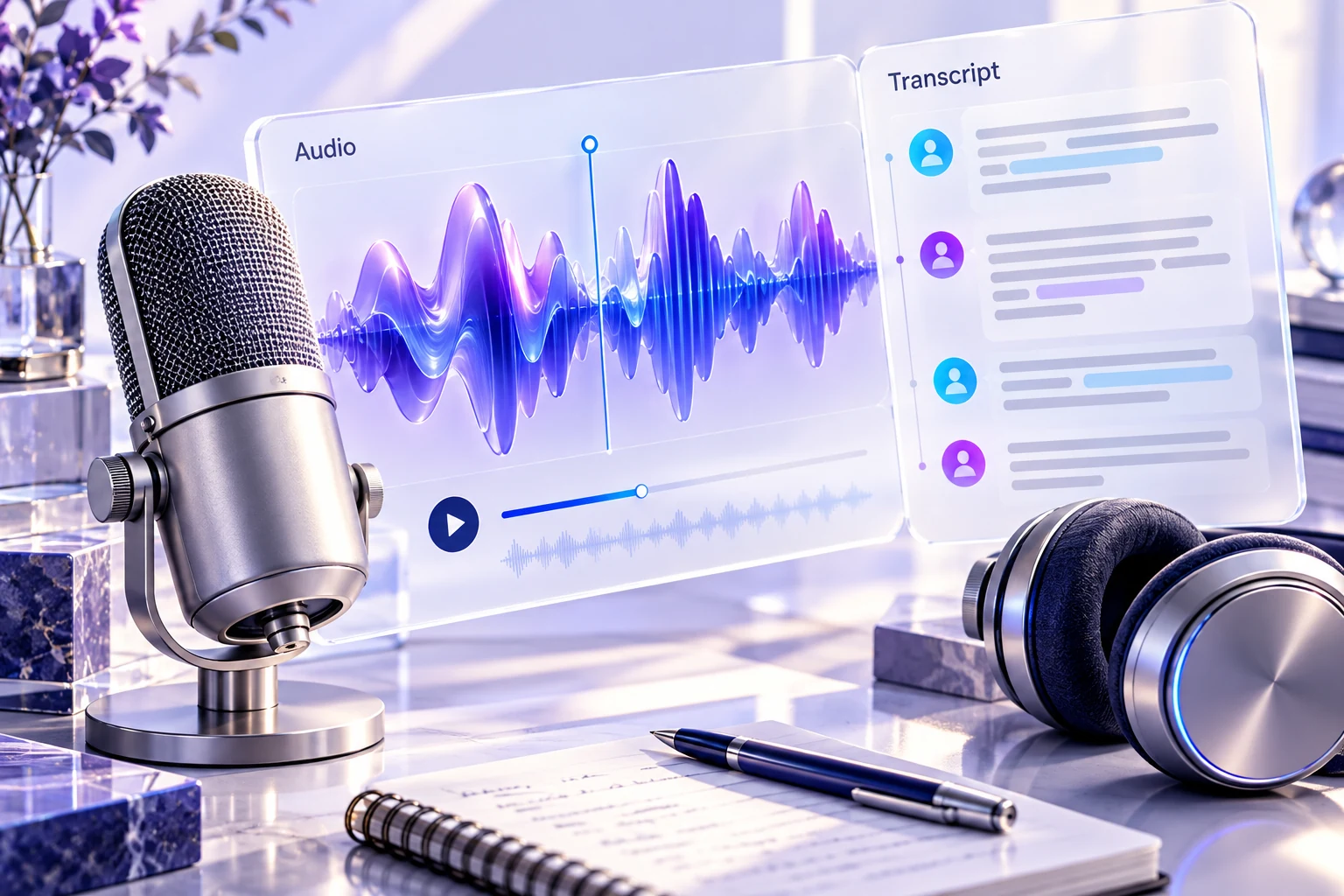
Otter provides meeting transcripts and summaries. Its export documentation distinguishes text and audio formats, speaker names and timestamps, with options depending on plan and sharing permissions.
The useful buying question is whether this fits your recurring work. A recurring meeting workflow where transcripts, summaries and exportable notes would be used after the call.
Where it earns a place in the workflow
The value of meeting capture appears after the call, when someone needs to find a decision, correct an action or share a recap. If nobody reviews or uses the notes, more automatic capture can simply create another archive. Decide which meetings deserve this workflow and who checks the result before it reaches participants.
Pay attention to the route from transcript to task list. A speaker can suggest an idea without agreeing to deliver it. In your trial, compare the action summary with the actual words and inspect whether names and dates survive export. Review sharing defaults separately from transcription quality; a good transcript delivered to an unintended audience is still the wrong outcome.
A trial you can judge for yourself
Use a consented fictional discussion with two speakers, one proposal and one confirmed action. Review the transcript and summary before sharing either.
Look for this result: Speaker attribution is usable, the proposal stays a proposal, and the confirmed action keeps its actual owner and deadline.
This is a proposed evaluation using permitted or fictional material, not a report of a completed hands-on test.
The trade-off to keep in view
A proposed action is not necessarily an agreed assignment. Check recording permissions, sharing settings and whether the export format you need is available.
Before choosing a plan
Which export formats, meeting allowances and sharing controls are available on the plan, and can your team use them as intended?
Record the result of your trial, the corrections you made and the current terms that matter to your use. Keep the tool only if the finished output and review effort justify adding it to your work.
Keep the inputs and review notes together in the workplace prompt library workspace, then save a backup you can reopen.
Strengths
- Otter provides meeting transcripts and summaries. Its export documentation distinguishes text and audio formats, speaker names and timestamps, with options depending on plan and sharing permissions.
- Meeting notes that can be checked and shared.
Limitations
- A proposed action is not necessarily an agreed assignment. Check recording permissions, sharing settings and whether the export format you need is available.
- Which export formats, meeting allowances and sharing controls are available on the plan, and can your team use them as intended?